Acne-Prone Skin OEM & ODM Manufacturing
Custom skincare formulation and private label manufacturing for products designed for oily and blemish-prone skin.
Solutions Overview
We develop and manufacture a complete range of skincare products formulated for oily and blemish-prone skin — available through OEM, ODM, and Private Label models tailored to your brand requirements.
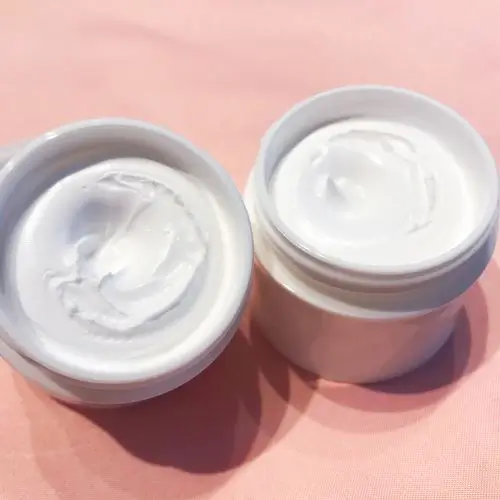
Clarifying Cleanser
Gentle yet effective gel and foam cleansers designed to remove excess oil and impurities without over-drying. Formulated with balanced surfactants suitable for daily use on oily and combination skin.
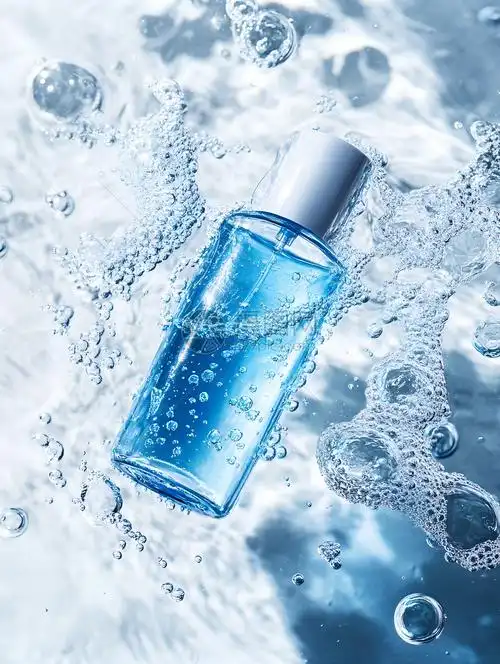
Balancing Toner
Alcohol-free toners formulated to refresh and balance skin after cleansing. Lightweight, fast-absorbing textures with ingredients selected for oily and combination skin types.
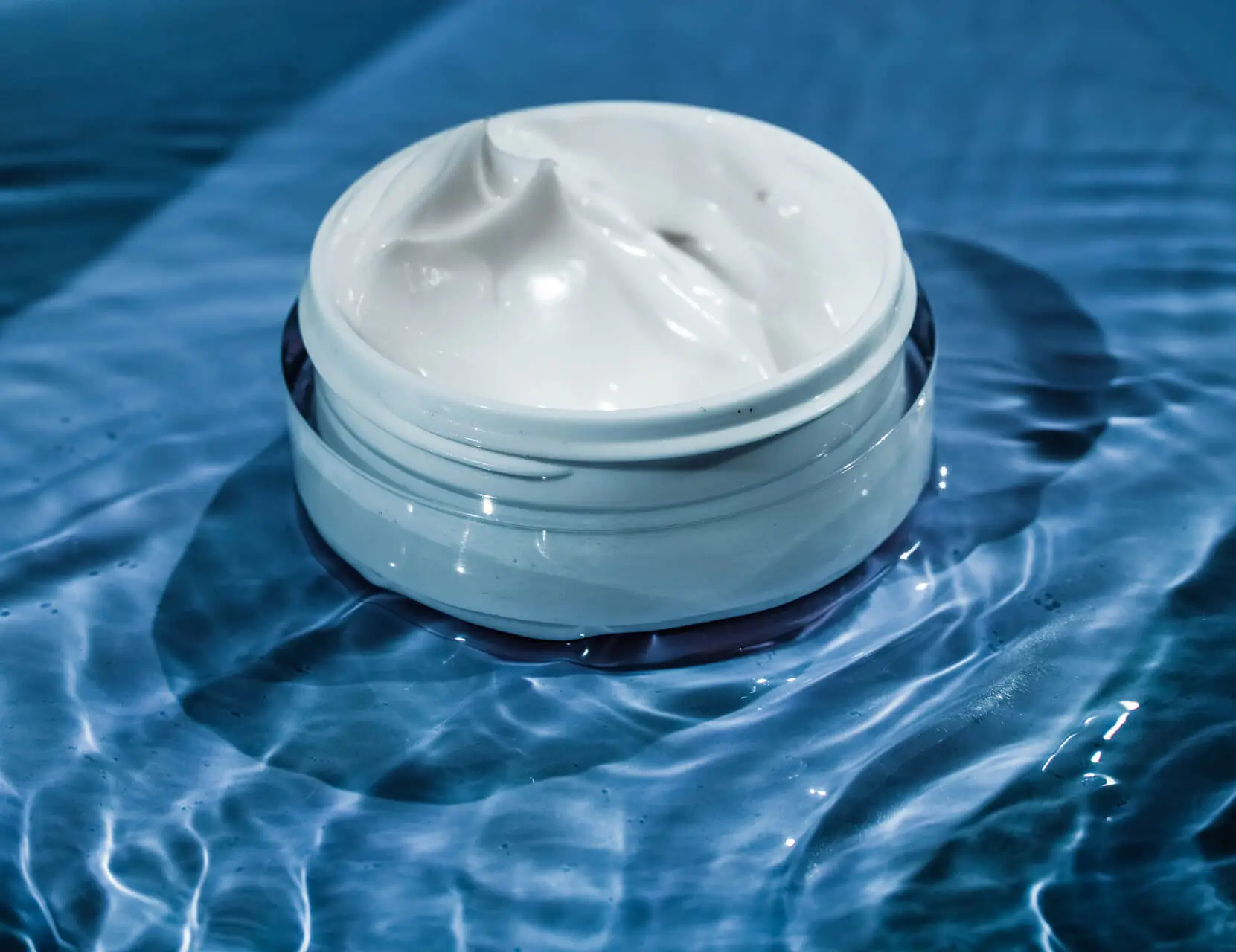
Lightweight Moisturizer
Non-comedogenic, oil-free moisturizers with a lightweight gel or gel-cream texture. Provides hydration without heaviness — formulated for oily and blemish-prone skin that still needs moisture.
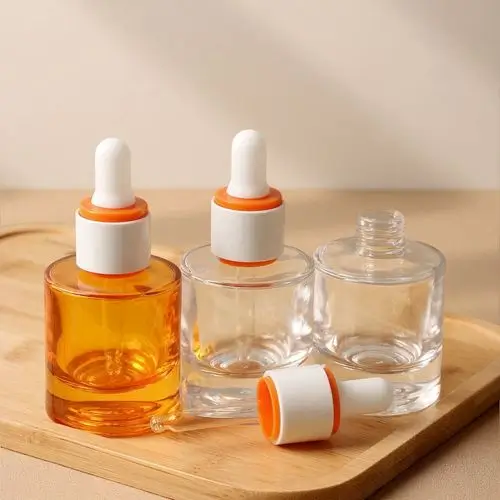
Blemish Serum
Concentrated serums with carefully selected active ingredients in lightweight, fast-absorbing bases. Designed for targeted application on areas of concern.
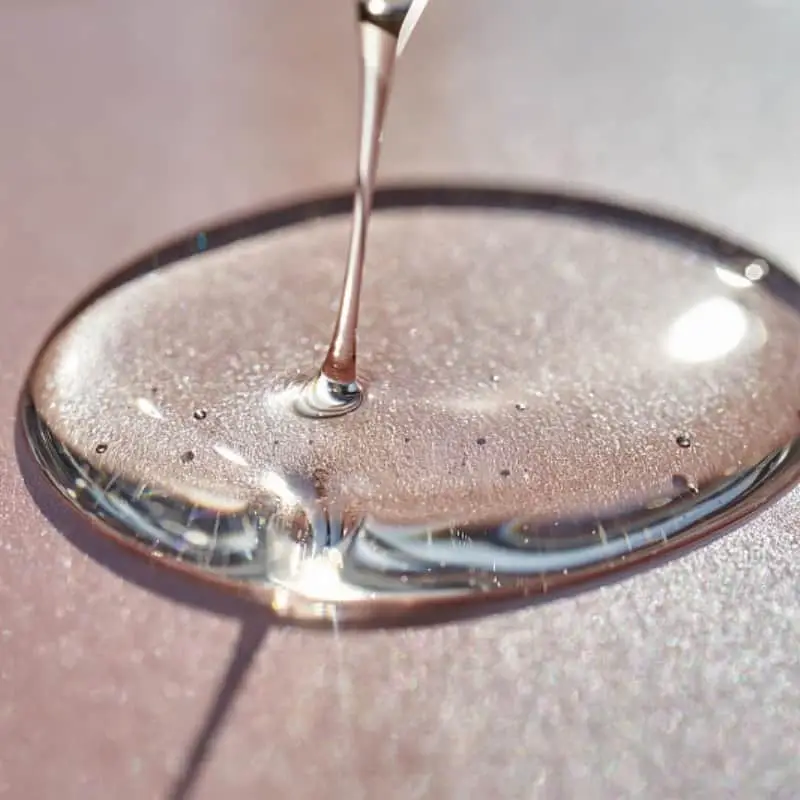
Spot-Targeting Gel
Concentrated gel formulations for localized application. Fast-drying, transparent finish suitable for day or night use. Formulated with ingredient concentrations in line with applicable cosmetic regulations.
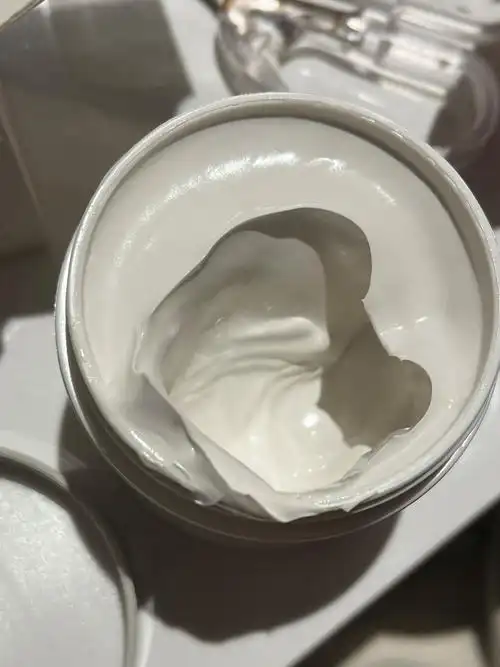
Purifying Clay Mask
Kaolin and bentonite clay-based masks with gentle mineral action. Rinse-off formulations designed to absorb excess surface oil and leave skin feeling refreshed and balanced.
Formulation Expertise
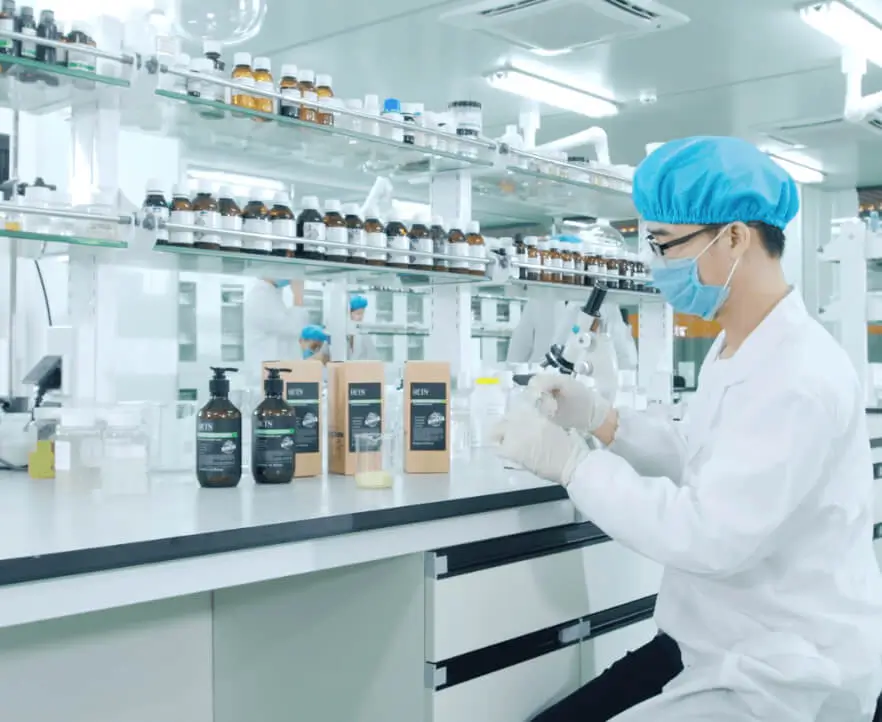
Our R&D team brings deep technical knowledge in selecting and combining ingredients suitable for oily and blemish-prone skin — balancing efficacy, stability, and sensory experience.
Ingredient Selection
We formulate with well-studied cosmetic ingredients, always at concentrations and in delivery systems appropriate for the product's intended use and target market regulations.
Salicylic Acid
Formulated at concentrations compliant with regional cosmetic regulations (typically up to 2% for leave-on products in the US, subject to market-specific limits). Optimized delivery systems to balance efficacy with skin tolerance.
Niacinamide
Multi-benefit ingredient formulated at 2–10% concentrations. pH-stabilized systems ensure compatibility with acidic actives. Well-documented performance in formulations for oily skin.
Zinc PCA
Sebum-regulating ingredient with broad formulation compatibility. Effective at low concentrations (typically 0.5–1%), compatible with gel and emulsion systems.
Azelaic Acid
Formulated at cosmetic-appropriate concentrations with careful attention to solubility and pH parameters. Requires specific formulation techniques for stable dispersion in topical products.
Tea Tree Extract
Melaleuca alternifolia leaf extract and oil formulated at controlled concentrations. Sensory-masked formulations available for brand-friendly fragrance profiles.
Centella Asiatica
Botanical extract with well-characterized soothing properties. Available as standard extract or titrated active fractions. Compatible with water-based and emulsion systems.
Formulation Principles
Formula Balance
Active ingredients are combined with supporting ingredients — humectants, emollients, and soothing agents — to create formulas that deliver performance while maintaining skin comfort during regular use.
Sensory Optimization
Products for oily skin require specific textural profiles: lightweight, non-greasy, fast-absorbing. Our sensory panel evaluates spreadability, absorption speed, and finish to ensure an elegant user experience.
Stability Studies
Accelerated and real-time stability testing ensures active ingredient integrity throughout shelf life. pH, viscosity, appearance, and active content monitored at defined intervals per ICH guidelines.
Ingredient Compatibility
Systematic screening of ingredient interactions. pH compatibility, ionic charge conflicts, and oxidation risk are evaluated before combinations are finalized — preventing formulation failure before it occurs.
Product Development Process
Every product follows a structured development path — from understanding consumer needs to commercial production.
Consumer Needs Analysis
Understanding target consumer profiles, usage patterns, and desired sensory outcomes for your market segment.
Formula Design
Ingredient selection, concentration determination, delivery system design, and preservative system selection — all aligned with your target market regulations.
Lab Samples
Bench-scale prototypes delivered in 10–15 business days. Client evaluation and iterative refinement until formulation, texture, and sensory profile are approved.
Stability Testing
Accelerated (40°C/75% RH) and real-time (25°C/60% RH) stability protocols. Active ingredient monitoring via HPLC. Preservative efficacy testing per ISO 11930.
Packaging Compatibility
Formula-container interaction testing. Selected packaging verified for material compatibility, closure integrity, and product protection throughout shelf life.
Pilot Production
Small-batch production validates the formula at manufacturing scale. QC-tested against lab reference. Client sign-off before commercial production begins.
Full-Scale Production
Commercial batch manufacturing with real-time IPQC monitoring. Every batch released only after passing complete quality specifications and documentation review.
Manufacturing Capabilities
GMP Production
ISO 22716-compliant GMP system covering all aspects of production — personnel, premises, equipment, raw materials, and documentation. Third-party audited annually.
Advanced Mixing Systems
Vacuum emulsifying mixers with programmable temperature control and data logging. High-shear and low-shear mixing capabilities for diverse formulation types — from water-thin toners to viscous clay masks.
Precision Filling
Servo-driven piston fillers with +/- 0.5% accuracy across viscosities. Supports bottles, tubes, jars, airless pumps, and dropper bottles commonly used for this product category.
Batch Consistency
Every production batch validated against a reference standard for pH, viscosity, appearance, and active ingredient content. 99.2% batch pass rate maintained across all product categories.
Flexible Production Volume: From pilot batches at 50L to commercial production at 2,000L per vessel. MOQ starting from 3,000 units per SKU — supporting both market testing and full-scale commercial launches.
Quality Assurance
Our quality system is designed to ensure every batch meets consistent specifications — particularly important for products formulated with pH-sensitive active ingredients.
Incoming Inspection
Every raw material lot is tested for identity (FTIR or HPLC), purity, and microbial limits before release to production. Active ingredient COAs verified against internal specification.
Microbiological Testing
Aerobic plate count, yeast and mold enumeration, and specified pathogen screening per ISO 21149 and ISO 22718. Preservative efficacy testing per ISO 11930 challenge test protocol.
Stability Testing
Accelerated and real-time stability protocols for every formulation. Critical parameters for this category — pH stability and active ingredient content — monitored via HPLC at defined intervals.
Packaging Compatibility
Formula-container interaction testing ensures packaging maintains product integrity. Some active ingredients require specific packaging materials — we verify compatibility before production.
Finished Product Inspection
Final QC includes microbial analysis, pH measurement, viscosity check, sensory evaluation, and packaging integrity verification. Batch reviewed and released by QA before dispatch.
Packaging Options
Packaging selection for oily and blemish-prone skin products considers both brand presentation and formula protection. Certain active ingredients benefit from specific packaging formats to maintain stability.
 Airless Pump
Minimizes air exposure. Recommended for formulas with oxidation-sensitive actives.
Soft Tube
Convenient for cleansers, masks, and spot gels. Available in various sizes and finishes.
PET / Glass Bottle
Suitable for toners and lightweight serums. Pump or disc-top closure options.
Glass Dropper
Premium presentation for concentrated serums. UV-protective glass available.
PP / Glass Jar
Ideal for clay masks and cream formulations. Wide-mouth access for rinse-off products.
Our packaging team advises on material compatibility based on your formulation's specific ingredient profile — helping ensure product stability from production through consumer use.
Regulatory Support
Products in this category benefit from careful regulatory attention — especially regarding active ingredient concentration limits and claim language across different markets.
Ingredient Documentation
Raw material technical documentation — COAs, SDS, technical data sheets — reviewed for completeness against target market requirements. Ingredient concentration verified against applicable limits.
INCI Review
Complete INCI labeling per applicable regulations. Correct nomenclature, descending order of concentration. Allergen flagging per EU fragrance allergen list where applicable.
Label Review
Compliance review of product labels — ingredient listing, net content declaration, batch coding, PAO symbol, and required warnings. Claim language reviewed for consistency with applicable cosmetic regulations.
Export Documentation
Certificate of Analysis, Certificate of Manufacture, GMP certificate, and other export-required documentation prepared for customs clearance and regulatory submission in destination markets.
Note: Technical documentation and review services are provided to support your regulatory submissions. Products in this category may be subject to varying regulatory classifications across markets. We recommend engaging a qualified regulatory consultant to confirm classification and requirements for your specific target markets.
Ideal Customers
Skincare Brands
Independent and established skincare brands expanding into products formulated for oily and blemish-prone skin.
Dermatology-Inspired Brands
Science-led brands with an emphasis on ingredient transparency, clinical testing, and formulation integrity.
Pharmacy Brands
Dermo-cosmetic formulations meeting pharmacy channel documentation and quality requirements.
Online Beauty Brands
DTC, Amazon, and Shopify brands targeting the oily and blemish-prone skin consumer segment with agile manufacturing support.
Spa & Wellness Brands
Spa-exclusive product lines with natural and botanical ingredient positioning for skin-balancing treatments.
Frequently Developed Formulations
Why Choose Our Manufacturing for Oily & Blemish-Prone Skin Products
Frequently Asked Questions
Can you develop custom formulations for blemish-prone skin?
Yes. Our R&D team develops fully custom formulations based on your product concept, target claims, ingredient preferences, and target market regulations. The process includes ingredient selection, prototype development, sensory optimization, stability testing, and scale-up validation.
What is your MOQ for these product types?
Standard MOQ starts at 3,000 units per SKU for most product types in this category. Actual MOQ may vary based on packaging selection and formula complexity. Low-MOQ options are available for market testing and brand launches.
Can you manufacture products containing salicylic acid?
Yes. We formulate salicylic acid at concentrations compliant with applicable cosmetic regulations for your target market. Our R&D team ensures proper dispersion and pH optimization for stable, effective formulations. We can advise on market-specific concentration limits during the development process.
Can you provide fragrance-free options?
Yes. We offer fragrance-free formulations across all product types in this category. Our formulation approach can accommodate brands seeking minimal-ingredient, fragrance-free, and essential-oil-free products — a common preference for this consumer segment.
Do you support private label for this category?
Yes. We offer private label services using our library of stability-tested base formulations suitable for oily and blemish-prone skin. You select the formulas, customize packaging and branding, and we handle manufacturing. This is the fastest path to market for brands without custom formulation needs.
Can you customize packaging for these products?
Yes. We coordinate primary and secondary packaging through our supplier network — including airless pumps, glass droppers, tubes, and bottles. Packaging material compatibility with your formula is verified before production. In-house labeling, silk-screen printing, and hot stamping are available for brand customization.